
Soil & Geology
Why Expansive Clay Soil Is the #1 Cause of Foundation Problems in North Texas
Published July 6, 2026
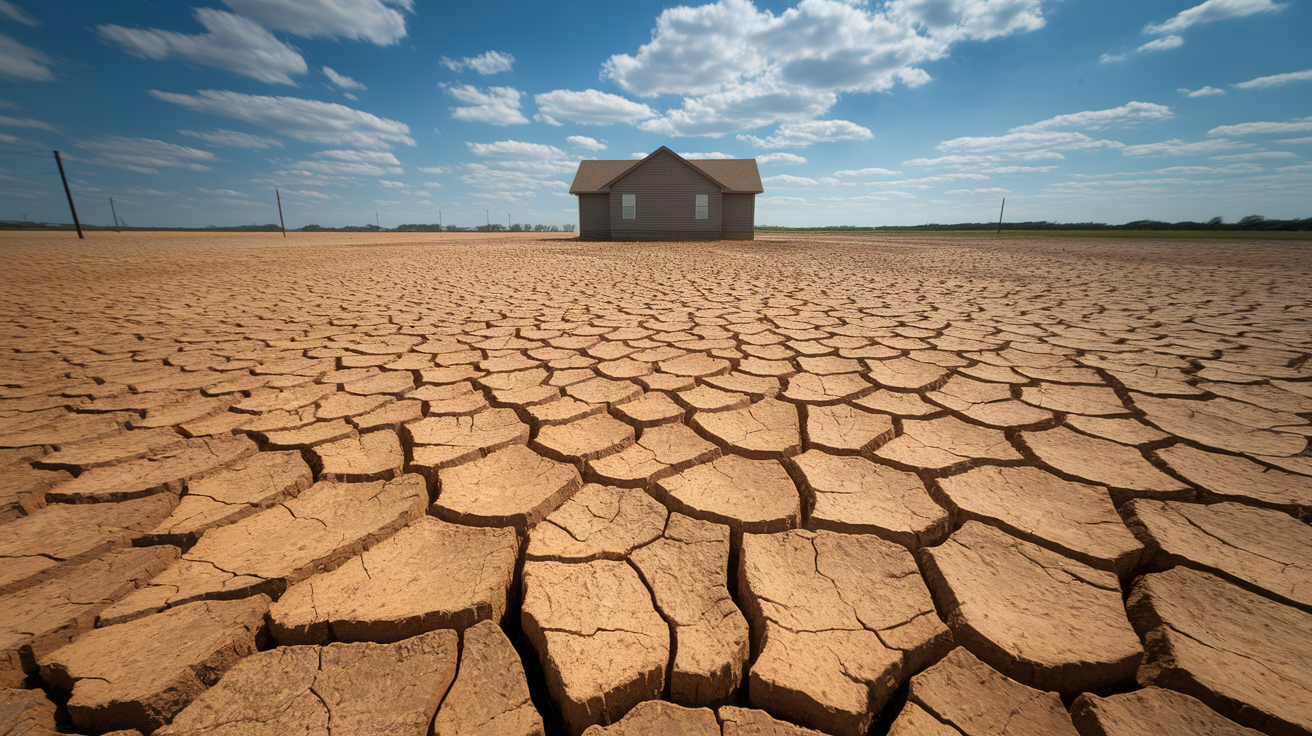
If you live in Frisco or anywhere in North Texas, you've heard the term "expansive clay soil." But what does it actually mean for your home's foundation? In short, it's the single biggest factor affecting foundation stability in our region — and understanding it is the first step to protecting your home.
What Is Expansive Clay Soil?
Expansive clay soil contains minerals that absorb water and swell, then release water and shrink. The Blackland Prairie, which stretches across much of North Texas including Frisco, McKinney, Plano, and Allen, is famous for this type of soil. When the clay absorbs moisture — after heavy spring rains, for example — it can expand by up to 15% of its volume. When it dries out during a Texas summer, it shrinks and cracks.
How It Affects Your Foundation
This constant cycle of expansion and contraction creates two major problems for slab foundations. First, when the soil shrinks during drought, it pulls away from the foundation, creating voids. The slab is no longer fully supported and can crack or settle. Second, when the soil swells after rain, it pushes against the slab with tremendous force — up to 10,000 pounds per square foot in some cases. This can cause the slab to heave, crack, or shift.
What You Can Do
While you can't change the soil, you can manage it. The most important thing is maintaining consistent moisture levels around your foundation. During dry periods, use a soaker hose to water the soil around your foundation. During wet periods, ensure water drains away from the house. Proper grading, gutters, and downspouts are essential. And if you notice signs of foundation movement, don't wait — early intervention is always more affordable.